Saved by Grace Wall Art: Laser Cut Wall Decor for Digital Sellers
When I first opened the files for Saved by Grace Wall Art, I was immediately struck by the balance it strikes between faith-based sentiment and clean, modern design. As someone who has been selling digital products on Etsy, Creative Fabrica, and my own Shopify store for years, I have learned to spot assets that can carry a collection. This one feels like it belongs in that category. The design is not overly ornate or fussy, which is a good sign for both laser cutting projects and broader wall decor applications. It carries a calm, reverent mood that appeals to buyers looking for meaningful home accents, gift items, or church-related merchandise. The visual personality is understated yet purposeful, with a handcrafted feel that suggests quality without shouting for attention. It leans toward the rustic and elegant side of the spectrum, making it a natural fit for farmhouse-style interiors, modern minimalist spaces, or traditional faith-based decor.
From a business perspective, the first question I ask myself is: who is actually going to buy this? Based on the style of Saved by Grace Wall Art, I see a clear audience of Christian homemakers, gift shoppers for baptisms or confirmations, small church gift shops, and crafters who make personalized home decor. There is also a strong crossover into the handmade business community, where sellers create items for local markets or online boutiques. The design does not feel overly feminine or masculine, which broadens the potential buyer base. It also avoids being too trendy, so it should hold its relevance across multiple seasons and holidays. That is a practical advantage when you are building a product catalog that you want to keep evergreen.
Testing Saved by Grace Wall Art Across Real Product Categories
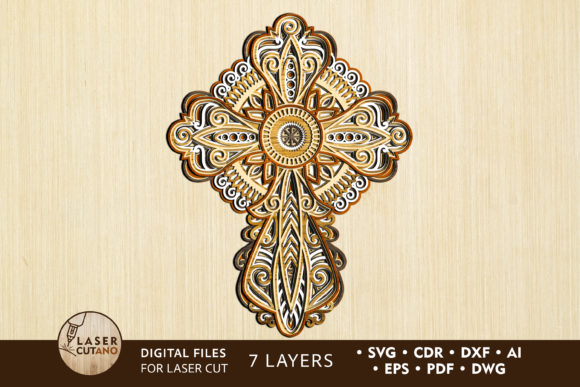
When I evaluate a new graphic design asset, I run it through a mental checklist of product types I might sell. With Saved by Grace Wall Art, the first obvious use is as a laser cut file for wall decor. The line work is clean enough that it should cut well on most laser machines, and the design does not rely on tiny, fragile details that might break during cutting. I would test it on 3mm birch plywood and 5mm acrylic to see how the lettering and any decorative elements hold up. The file formats include SVG, AI, and PNG with a transparent background at 300ppi, which covers the needs of most laser cutting workflows. The SVG format is especially important for Cricut and Silhouette users who want to cut vinyl or create layered paper projects. I would also try using the PNG version for sublimation on coasters, ceramic tiles, or fabric panels. The transparent background saves time in prepping files for print-on-demand platforms like Printful or Printify.
Beyond laser cutting, I see strong potential for Saved by Grace Wall Art as a printable design. It can be formatted as an 8x10 or 11x14 inch print for instant download. The 300ppi resolution ensures the text and graphics remain sharp at those sizes. I would pair it with a soft cream or linen-textured background to enhance the faith-based aesthetic. For Etsy sellers, this asset could anchor a small bundle of three to five variations, each with a different background color or frame style. That kind of bundle often increases perceived value and encourages buyers to purchase a set rather than a single print. I also think it works well as a Canva template, where the end user can customize the background, add a name or date, and download a personalized version. That is a popular product type on Creative Market and Etsy, and it commands a higher price point than a static print.
Where Saved by Grace Wall Art Shines in Product Presentation
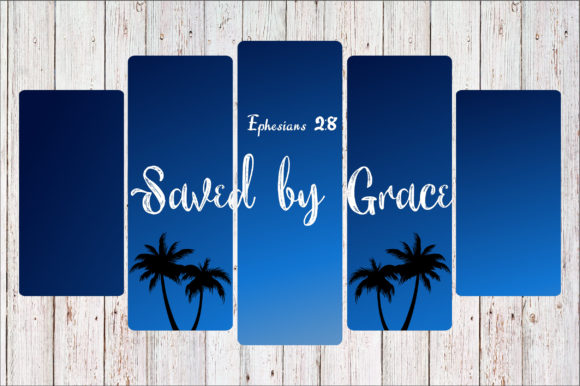
Product presentation is where many digital sellers lose potential sales. Saved by Grace Wall Art has a design that photographs well in mockups. I would test it on a white wall with natural lighting, inside a simple wooden frame, and also as a layered vinyl decal on a glass window. The contrast between the lettering and the background is strong enough to read clearly even in a small thumbnail, which is critical for Etsy search results and social media pins. When I create listing images, I usually lead with a lifestyle mockup that shows the product in a real room setting. For this design, a living room corner with a cozy armchair and a small lamp would communicate the warm, faith-filled mood. I would also include a close-up shot that shows the texture of the material, whether it is laser cut wood or a print on premium paper. That builds trust and helps buyers imagine the product in their own home.
For social media graphics, the design works well as a square post for Instagram or a pin for Pinterest. I can see it being used as a background for a Bible verse of the day graphic, or as part of a brand identity for a small Christian business. The clean lines make it easy to overlay text or a logo without visual clutter. That is a valuable feature for content creators and bloggers who need versatile design assets for their online presence. I would also consider using it in packaging design for a handmade business. A small sticker or hang tag featuring the design could reinforce the brand message and create a cohesive unboxing experience.
Where to Use Caution with This Asset
No design asset is perfect for every application, and Saved by Grace Wall Art has a few areas where I would be careful. The first is in very small formats. If you try to use it as a tiny sticker for a planner or a small charm, the finer details may become muddy or lose legibility. I would recommend keeping the design at least 2 inches wide for any physical product. Similarly, for laser cutting, I would avoid scaling it down too much because the kerf of the laser can close up narrow gaps. Always test a prototype before listing a finished product. Another area of caution is on dark backgrounds. While the design has good contrast on white or light surfaces, it may not stand out as well on black or deep navy without a white outline or a raised cut. If you are selling a sublimation design on a dark tumbler, make sure the artwork is set to print with a white underbase or use a light-colored blank. The file includes a transparent background, which is helpful for layering, but you need to test the final visibility on the actual product substrate.
I also advise against using this design in overly complex layouts where it has to compete with multiple other graphics. For example, a busy scrapbooking page with patterned paper and multiple embellishments could overwhelm the quiet elegance of the design. It works best as a focal point, not a background element. If you are creating a design bundle, keep the supporting elements simple and complementary. A soft floral accent or a subtle wood grain texture can enhance the main design without distracting from it.
Practical Seller Notes for Testing Before Publishing
Before I list any product featuring Saved by Grace Wall Art, I run through a short checklist. First, I test the design on a real mockup. I use a free online tool or a Photoshop template to see how it looks on a wall, a mug, a t-shirt, and a tote bag. I check the thumbnail at the size it will appear in search results, usually around 100 pixels wide. If the text is not readable at that size, I either adjust the layout or consider a different placement. Second, I test the colors. I print the PNG file on my home printer to see if the colors match what I see on screen. I also check how it looks on a white background and a dark background, because the same file can behave differently depending on the surface. Third, I inspect the SVG file for cut quality. I open it in Cricut Design Space and Silhouette Studio to ensure there are no stray nodes or open paths that could cause cutting errors. I also confirm that the file is organized clearly, with layer names that make sense for the end user. A messy file structure can lead to negative reviews, especially from buyers who are not experienced with design software.
Licensing is another critical step. I always verify the commercial license terms before selling any finished product. The product description states that it is an instant digital download with original images without watermark, and it includes SVG, AI, and PNG formats. I assume the license allows for commercial use of the design in physical products, but I confirm the specifics, such as whether I can sell the digital file as-is or only as part of a physical item. I also check if there is a limit on the number of sales. Clear licensing builds trust with customers and protects your business from legal issues. I recommend keeping a copy of the license file in your product folder for reference.
Pairing with Fonts and Additional Design Elements
If you are building a collection around Saved by Grace Wall Art, you may want to pair it with complementary fonts. The design itself has a certain lettering style, but if you are creating a Canva template or a printable that includes additional text, choose a font that matches the mood. A serif font like Cormorant Garamond or a classic script like Carolyna Pro can reinforce the elegant, faith-based feel. For a more modern contrast, a clean sans serif like Montserrat or Lato can work, especially if you are targeting a younger audience. A handwritten font adds a personal, handmade touch that many buyers appreciate. I always test font pairings in a mockup before finalizing a design, because the wrong combination can make the product look disjointed. The same applies to digital paper packs or background textures. A soft watercolor wash or a subtle linen texture can enhance the design without competing with it.
Building a Cohesive Product Collection
One of the smartest moves I have made as a digital seller is to create collections rather than standalone products. With Saved by Grace Wall Art, I can build a small family of items that share a consistent visual identity. For example, I could offer a laser cut wall plaque, a printable art print, a set of gift tags, a mug design, a tote bag graphic, and a social media template, all using the same core design. That creates a recognizable brand for my shop and encourages repeat buyers. I can also bundle several of these items together as a "faith-based home decor bundle" and sell it at a slight discount. That increases the average order value and gives customers more reasons to purchase. The design's versatility makes it easy to adapt across different product types without losing its identity.
From a packaging and branding standpoint, I would use the design on my product inserts, thank you cards, and even on my shop's logo if it fits the overall aesthetic. Brand consistency builds trust and makes your shop look professional. Small business owners who sell at craft fairs or through social media can also use the design on their booth signage or business cards. It is a practical asset that supports multiple touchpoints in the customer journey.
Overall, Saved by Grace Wall Art is a solid addition to any digital seller's catalog, especially if you target the faith-based market or the home decor niche. It offers enough flexibility to work across laser cutting, print-on-demand, printable art, and social media graphics. The key is to test it thoroughly, understand its limitations, and present it in a way that highlights its best qualities. With careful preparation, it can become a consistent performer in your product lineup and help you build a more professional-looking online shop. Whether you are a seasoned Etsy seller or just starting out with your first digital product, this asset deserves a close look.